
Essential Tips for Your Puppy’s First 100 Days
From Puppy to Pro: A New Dog Owner's Journey
Navigating Your Puppy’s First 100 Days with Ease
By Sanjana, Founder & Head Trainer of Peace Pups Dog Training
Get started as early as next week!
🎾What You’ll Need
This list ensures that you have all the necessary items to take care of your new dog, ensuring their comfort, safety, and well-being.
Basic Supplies:
Flat Collar
Harness
5-foot Slip Lead
4ft Leash
Stainless Steel Food & Water Bowls
Plastic Kennel with Divider
Dog Bed
Toothbrush & Toothpaste
Fur Brush
Baby Gates (to restrict access to certain areas or a puppy playpen)
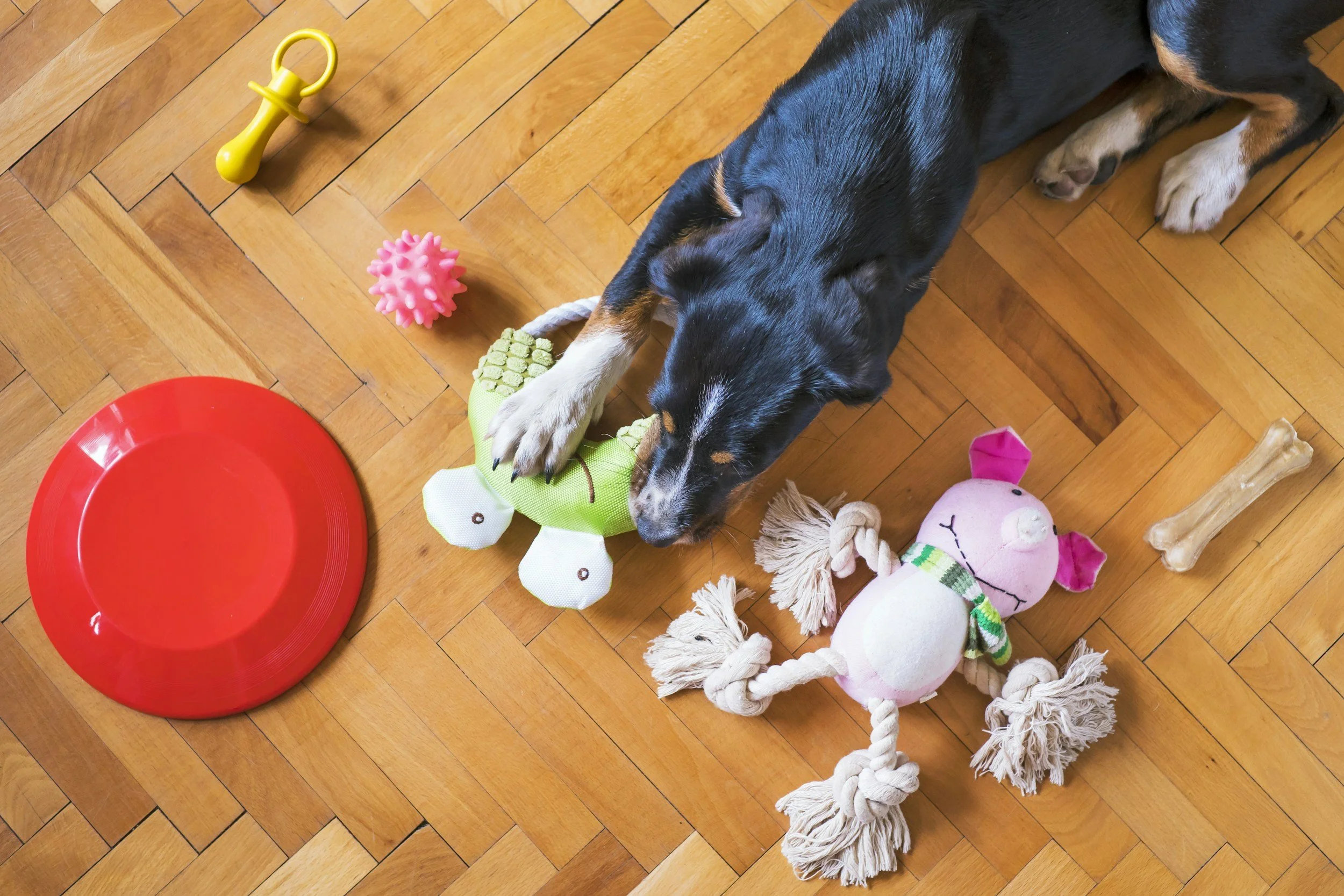
Toys (Kong chew toys, tug rope, tennis balls, and teething toys)
Identification:
ID Tag with your contact information
Microchip (recommended)
Medical:
Vaccinations as recommended by your veterinarian
Flea and tick prevention
San Diego Dog Training Packages
In-Home Dog Training and Private Lessons in North Park
🐾 What to Expect With Your New Puppy
What to Expect After 3 Days:
Adjustment Period: Your puppy might still be feeling anxious, confused, and overwhelmed by their new environment. They might be shy, hiding, or reluctant to eat.
Exploration: They will start to explore their new surroundings, sniffing around and trying to understand the layout and the smells of the house.
Basic Needs: They will begin to recognize where their basic needs are met, such as the location of food, water, and a safe place to rest.
What to Do:
Encourage your young puppy to sleep in the crate a few times during the day and at night so they can adjust to it. The crate will help keep them out of trouble and safe when you're not able to supervise them.
Play with them! Play is the way, as we say 😁 Take them to new environments (once they are safely vaccinated as recommended by your veterinarian) and play! Play helps young puppies develop confidence and learn boundaries.
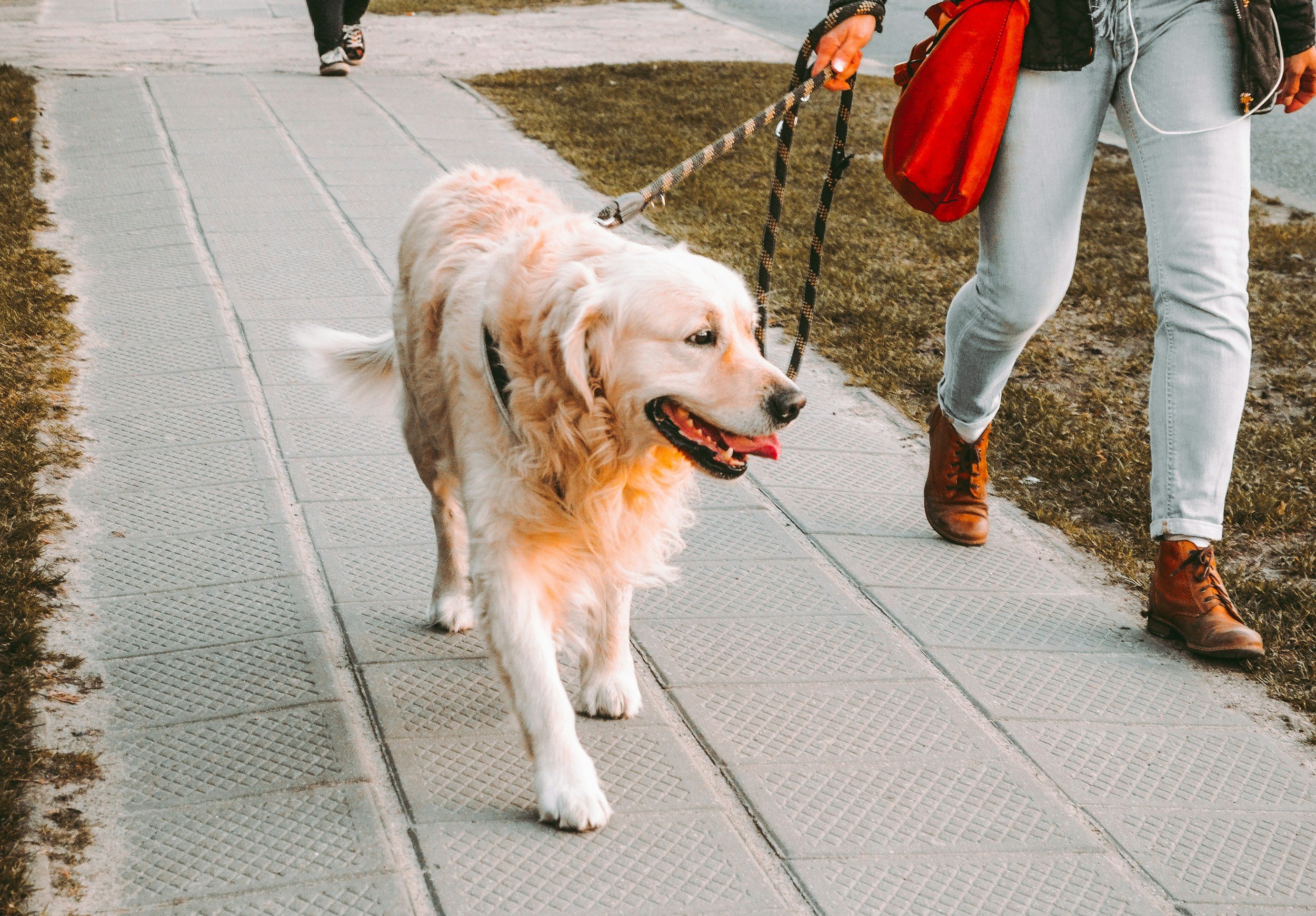
Let them explore their environments. Harnesses are great tools for letting your puppy sniff and explore. Leash walking skills come a little later as the puppy turns 4-5 months old. Focus on encouraging curiosity at this age.
Set boundaries. Oftentimes we give new puppies unlimited freedom and they end up with poor boundaries. This can lead to pottying in the home, nipping, destruction, anxiety, and more. Setting clear boundaries and rules will help your puppy succeed in your home.

What to Expect After 3 Weeks:
Settling In: Your puppy will start to feel more comfortable and begin to show their true personality. They may become more active, playful, and affectionate.
Routine Recognition: They will begin to understand and adapt to the household routine, including feeding times, walks, and playtime. Your pup should be having fewer accidents and learning the lay of the land.
Training Opportunity: This is a good time to start basic training, as they are beginning to trust you and can focus on learning commands and house rules.
What to Do:
Teach basic commands. You can start to teach them different commands like sit, down, stay, leave it, and drop. You can do all of this through hand feeding meals.
Continue to play in different environments. Teach your puppy a communication system. Words like "yes" (you did it!), "no" (that's not what I wanted), and "okay" (you're free!). Teaching your puppy a communication system is crucial to training a dog that can listen in new and distracting environments.
Stand firm in your boundaries, especially as the young puppy starts to teethe and get more nippy. Redirecting their energy through tug, fetch, and other forms of play will help them regulate their energy.
Practice recall training daily, 5 minutes twice a day. Within 2 months you’ll have a recall champion!
What to Expect After 3 Months:
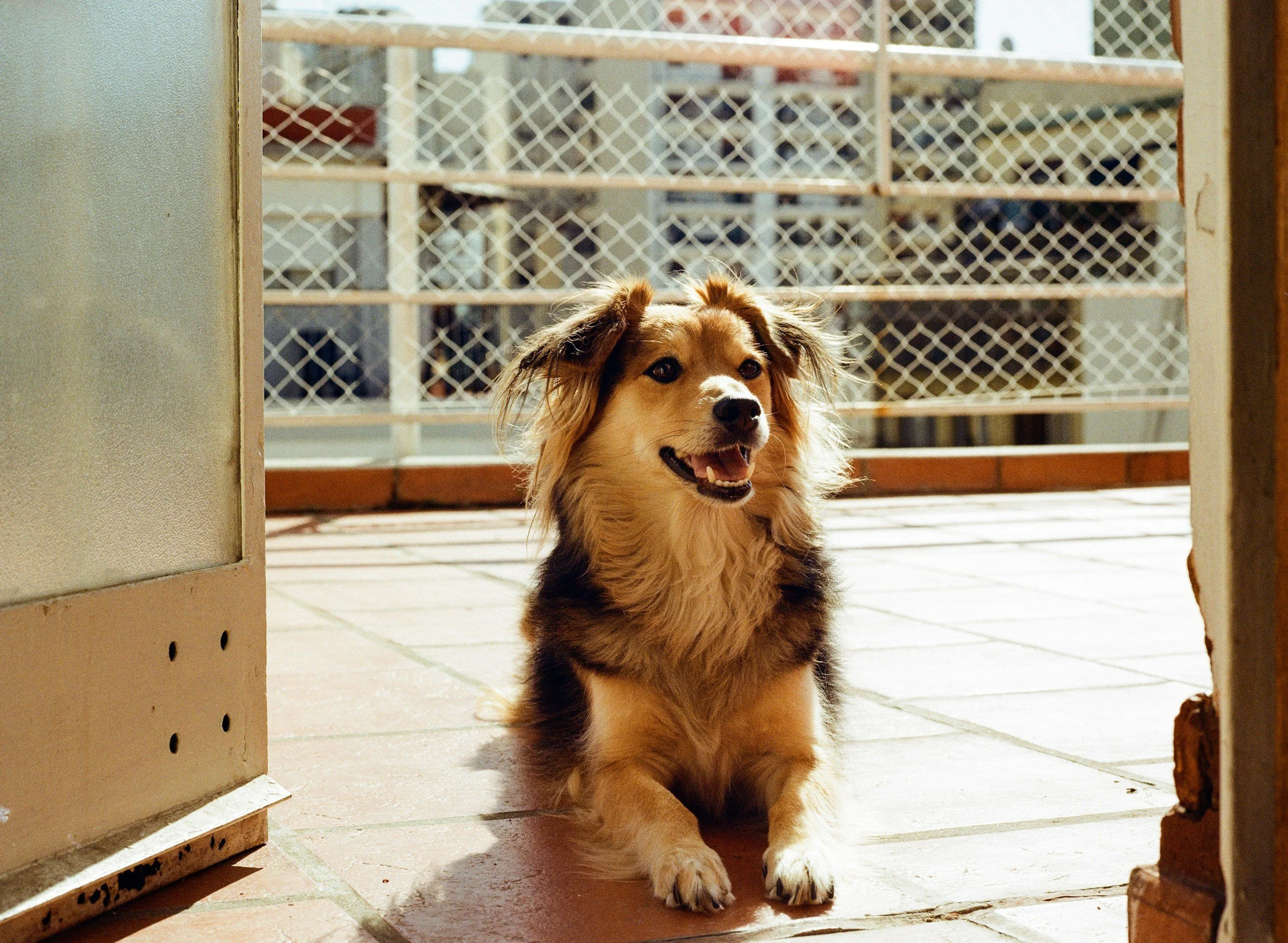
Bonding: By this time, a strong bond will likely have formed between you and your dog. They will feel secure, loved, and part of the family.
Behavioral Consistency: Their behavior will become more predictable, and they will have a clear understanding of the house rules and expectations. However, this is also a time when new behavioral challenges can emerge as the young puppy starts to test boundaries and challenge the rules in the home.
Confidence and Comfort: Your puppy will exhibit increased confidence and comfort in their new home, showing trust in you and a greater willingness to interact with other family members, friends, and pets.
What to Do:
If you see behavioral challenges persisting despite your consistent efforts, this is a great time to reach out to a dog trainer for guidance on how to resolve these behaviors. Behavioral challenges that develop between 8 weeks to 6 months old are best addressed promptly to prevent them from becoming established adult behaviors.
Set up safe puppy play dates with a calm older dog or a puppy of similar size for socialization. Dog parks can often be overwhelming for very young puppies, so supervised puppy play dates are the safest way for your puppy to socialize.
Train your dog around higher level distractions. Take them to Home Depot, Lowe's, public parks, and coffee shops to practice leash walking skills, calmness, and play in these environments.
Maintain boundaries and house rules with your puppy until they're a year old. Oftentimes owners want to loosen boundaries once the dog is settling in more. However, most puppies change significantly as they grow from 8 weeks to 1 year old, and consistent boundaries help set your puppy up for success throughout their development. Keep up the structure and you're on your way to a peaceful life with your pup!
Our Signature Training Programs
Personalized 1-on-1 private training at your home or our location in North Park
🌟 Welcome to the incredible journey of dog parenthood — you've got this!
Enjoy your new puppy! This is a wonderful, magical time in both your lives. Remember to embrace the joy of play and fun while also setting clear boundaries in the home and on walks. Just 3-6 months of focused, consistent training with your young puppy will set you both up for a lifetime of peace, freedom, and adventures together.
Peace Pups Dog Training is here to support you on this wonderful journey.
⚠️ Remember: Always consult with your veterinarian regarding vaccination schedules, health concerns, and when it's safe for your puppy to explore new environments and socialize with other dogs.
You can learn more about our affordable services at www.peacepupsdogtraining.com, call or text us at 619-259-0515, or scan the QR code below!