
A Guide to Your First 100 Days with a Rescue Dog
Your Ultimate Puppy Guide
Mastering The First 100 Days
By Sanjana, Founder & Head Trainer of Peace Pups Dog Training
🎾What You’ll Need
This list ensures that you have all the necessary items to take care of your new dog, ensuring their comfort, safety, and well-being.
Basic Supplies:
Flat collar
Harness
5-foot slip lead
4-foot leash
Stainless steel food and water bowls
Plastic kennel with divider
Dog bed
Toothbrush and toothpaste
Fur Brush
Baby Gates to restrict access to certain areas or a puppy playpen
Toys: Kong chew toys, tug rope, tennis balls, and teething toys
Identification:
ID Tag with your contact information
Microchip (recommended)
Medical:
Vaccinations as recommended by your veterinarian
Flea and tick prevention

“Sanjana’s Dream Dog Course gave me and my pup all the foundational knowledge and skills we needed to succeed! I’m so happy we can enjoy walks again.”
- Pat and Olive
🐾 What to Expect With Your New Rescue Dog
🏠 What to Expect After 3 Days:
Decompression Period: Your rescue dog may feel overwhelmed and anxious by their new environment. Focus on simply playing and be patient with them.
Cautious Exploration: They will slowly start to explore their new surroundings, but may be hesitant or fearful. It’s normal and will improve with time.
Trust Building Begins: They are starting to understand that you provide their basic needs - food, water, and safety.
✅ What to Do:
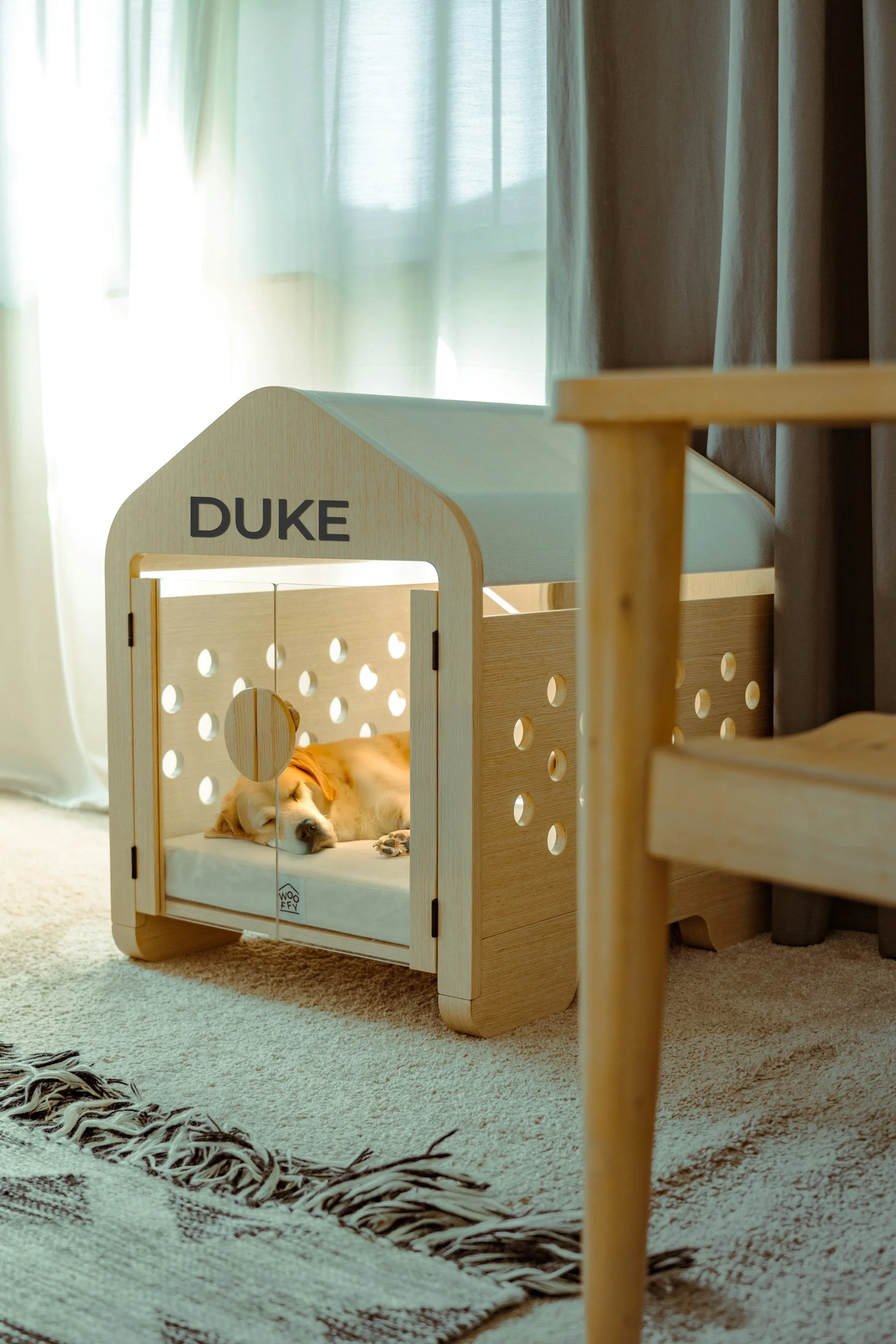
Create a safe space: Set up a quiet area with their crate or bed where they can retreat when feeling overwhelmed. The best place for their crate is in your bedroom. Encourage your new dog to sleep in their bed at night.
Go slow with introductions: Let them adjust to your household without forcing interactions. It's normal to want your new rescue to meet your friends and family, but your priority is to first make them feel safe and secure. So go slow. 🧡
Establish boundaries and structure in the home and on walks: Boundaries will help your new dog feel safe and understand their role in the home. It's best to keep them in a supervised area rather than giving them full access to the house to prevent unwanted behavior.
🌱 What to Expect After 3 Weeks:
Personality Emerges: Your dog will start showing their true personality as they feel safer. You may see both wonderful traits and some challenging behaviors that need addressing.
Routine Recognition: They're beginning to understand your routine, which helps build their confidence.
Testing Boundaries: As they gain confidence, your rescue may start testing rules and boundaries - this is normal and shows they're feeling more secure. Stand firm in your boundaries and house rules.
✅ What to Do:
Play with them! Play is the way, as we say 😁 A few times a day, play tug, fetch, or other games with them. Play is the best tool to build up your dog’s confidence and strengthen their nervous system.
Let them explore their environments. Take them to new places that are not overwhelming, like open parks and calm neighborhoods. Let them sniff and explore. Reward with food as you go.
Build a communication system. Teach your dog both a yes and a no, this is crucial for boundary training. Clear communication helps our dogs understand us, and learning about their body language helps us understand them.
Practice leaving the home for 30 minutes to an hour every day. It's easy to overprotect your new rescue dog, but it's important for them to learn that you'll always come back, and this is only achieved through practice 🧡
💪 What to Expect After 3 Months:
Strong Bond Formation: A deep trust and bond will have developed. Your dog now sees you as their safe person and leader.
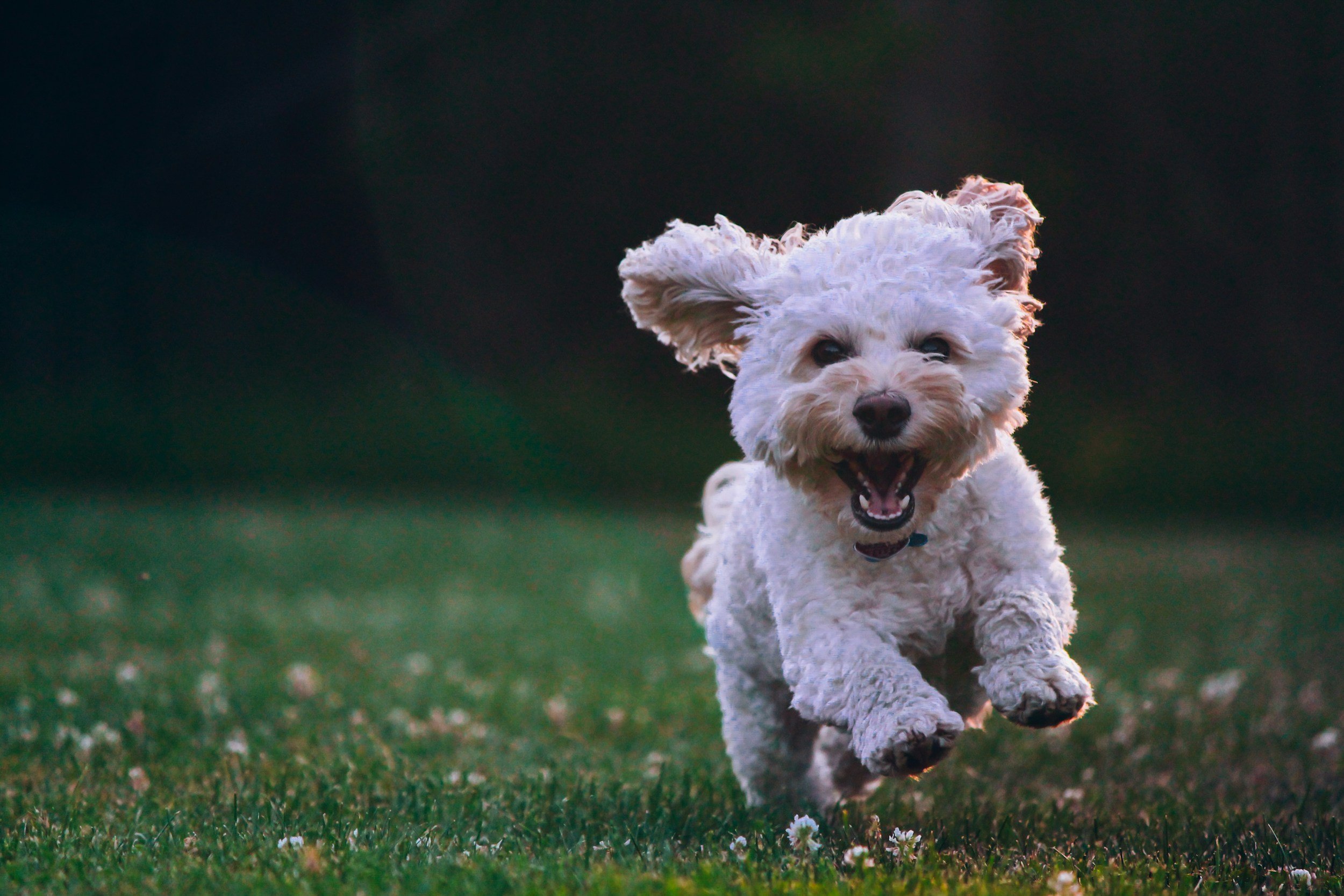
Increased Confidence: Many rescue dogs show remarkable transformation by this point - becoming more confident, playful, and trusting.
Behavioral Clarity: Your dog may have quirks and that’s okay! You’ll be able to predict your dog’s behavior and you'll have a clearer picture of any ongoing challenges that need professional support.
✅ What to Do:
If behavioral challenges persist despite your consistent efforts, reach out to a dog trainer experienced with rescue dogs. Issues like separation anxiety, reactivity, or fearfulness are best addressed promptly with professional guidance.
Set up safe play dates with a calm dog for socialization. This is for dogs who are not heavily reactive. Dog parks can often be overwhelming for rescues, so supervised play dates are the safest way to socialize your dog the first few months.
Continue to play and train around higher level distractions. Take them to Home Depot, Lowe's, public parks, and coffee shops to practice leash walking and calmness. Move at the pace that is best for your dog.
Maintain boundaries and house rules with your rescue dog for at least 6 months. Oftentimes owners want to loosen boundaries once the dog is settling in. However, rescue dogs need time to fully decompress, and consistent boundaries help them succeed in their new home.

Get started as early as next week!
⚠️ Here are some tips on what to avoid with your rescue dog:
Overwhelming your dog with too many new experiences. It's best to keep your dog's environment calm and consistent for the first 3 months. Focus on play and building up your dog’s confidence before exploring busier environments like malls and farmers markets.
Bringing your new dog into the home without a slow introduction with children and other dogs. The best approach is to go on a walk together first — let your rescue pup interact gently while moving. At home, create space between your new dog and resident pets so everyone has time to acclimate. In time, they will.
Forcing interactions with people or other dogs. If your dog is reactive or fearful, maintain distance until they've developed better leash skills and confidence. Forcing interactions when your dog is timid or reactive can create more anxiety in time. Creating space helps your dog feel safe in the real world.
🌟 Welcome to the incredible journey of dog parenthood — you've got this!
Peace Pups Dog Training is here to support you on this wonderful journey.
This is a wonderful, magical time in both your lives. Remember that rescue dogs often come with a past, but with play, patience, and love they can become calm, confident companions. Just a few weeks of focused training with your rescue dog will set you both up for a lifetime of peace, freedom, and adventures together.
You can learn more about our affordable services at www.peacepupsdogtraining.com, call or text us at 619-259-0515, or scan the QR code below!